AdsPower
SaaS platform for AI-driven ad campaign optimization
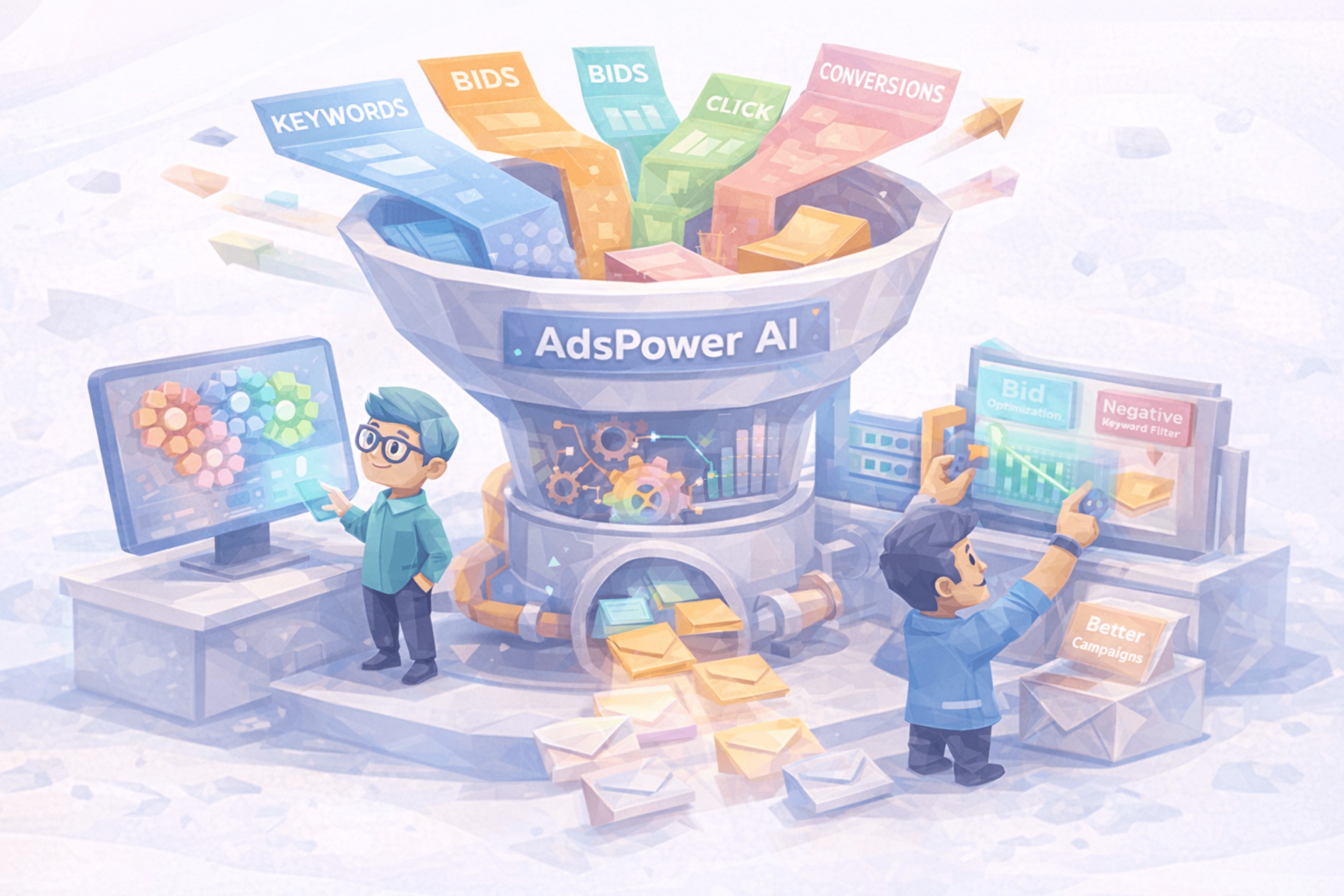
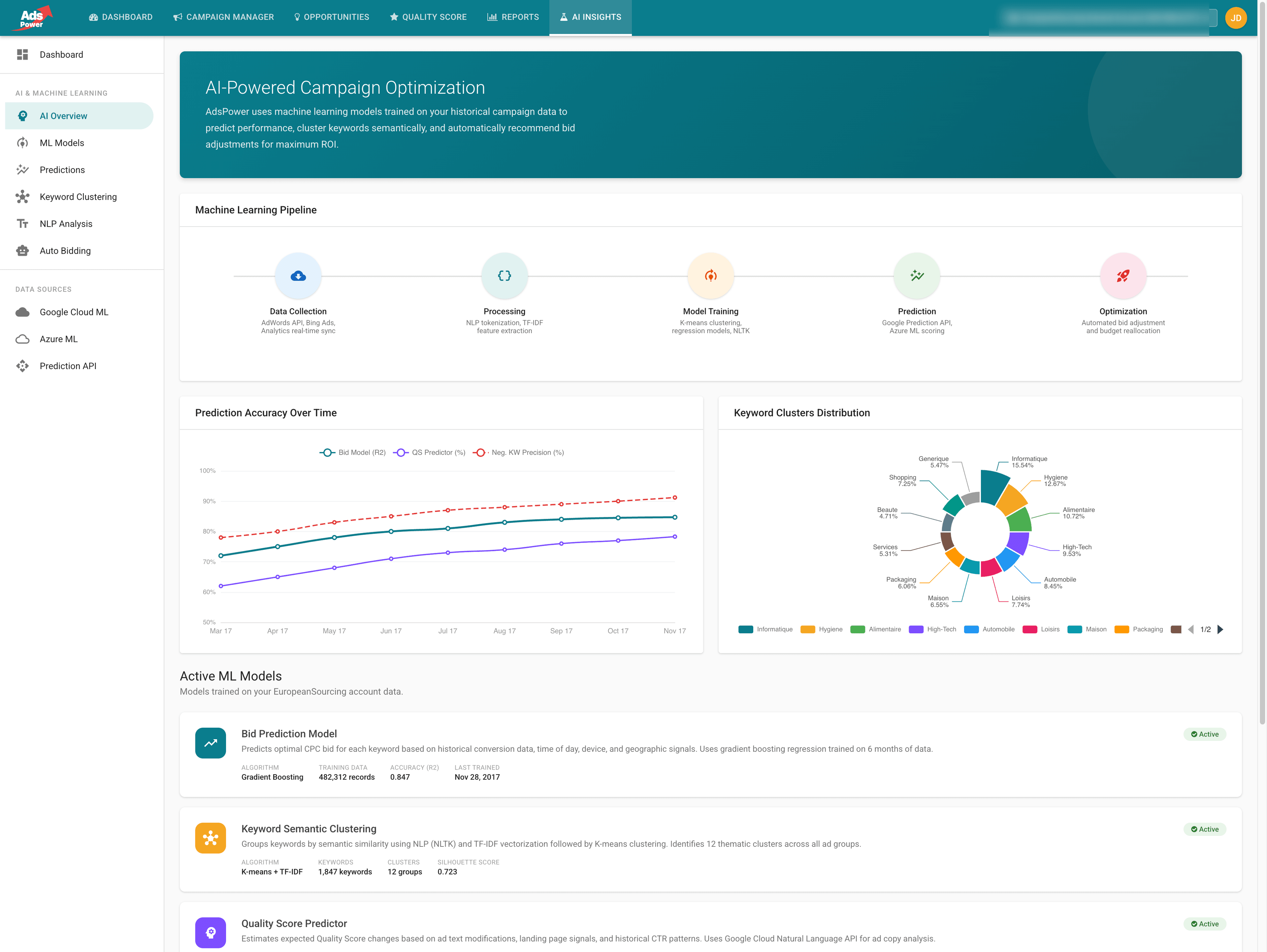
AdsPower was an early-stage startup building a SaaS platform for AI-driven ad campaign optimization. The product used ML classification models (Azure Machine Learning Studio) to classify user behaviors, analyze search intent via Google SERPs, and automatically optimize bids based on conversion rates.
The core concept: ingest thousands of campaign data points - keywords, bids, quality scores, click-through rates, conversion data - feed them into supervised classification models, and output actionable optimization recommendations.
The project was directly inspired by Optmyzr and Dolead (French performance marketing platform), both analyzed in depth during our competitive research.

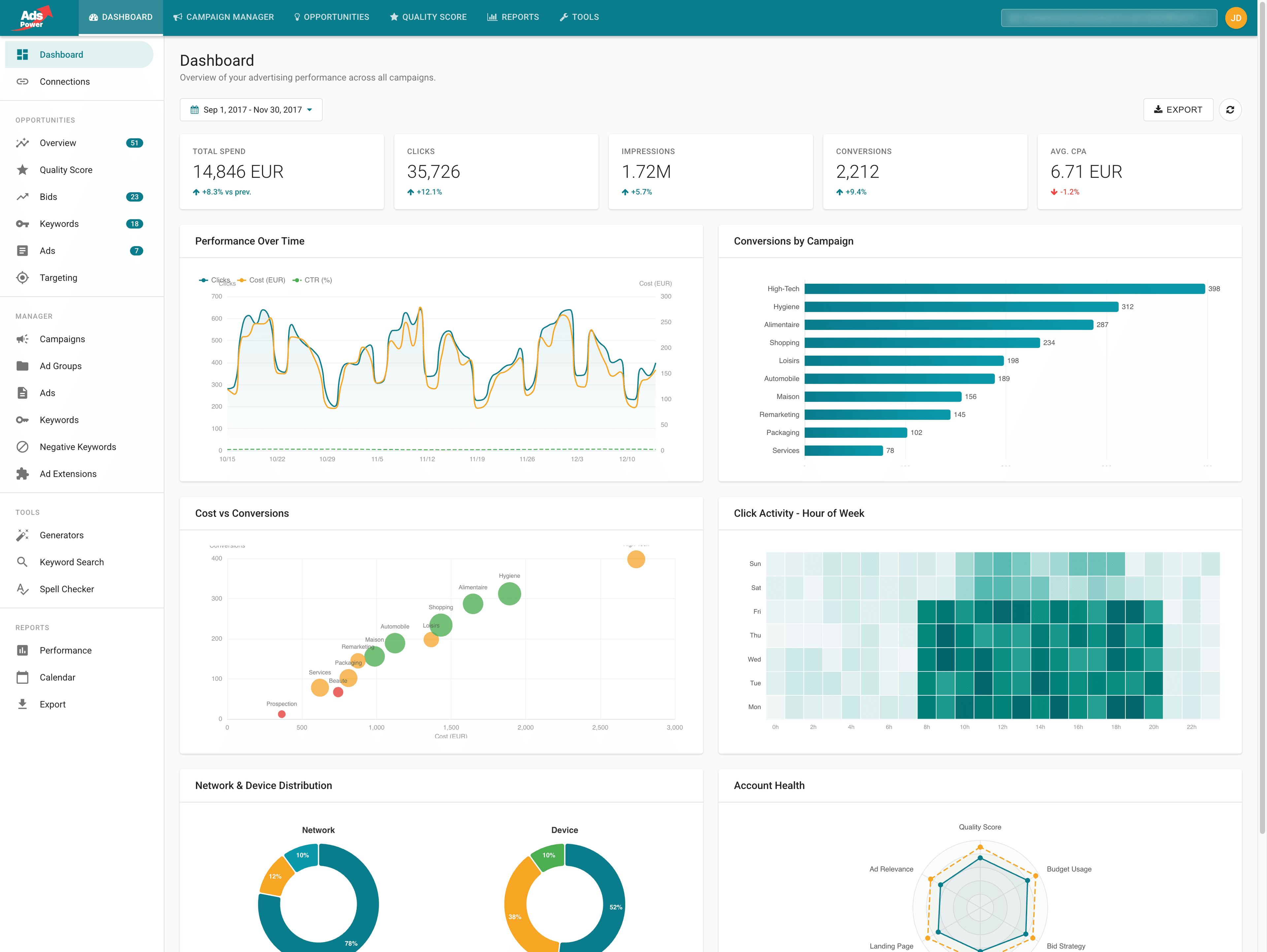

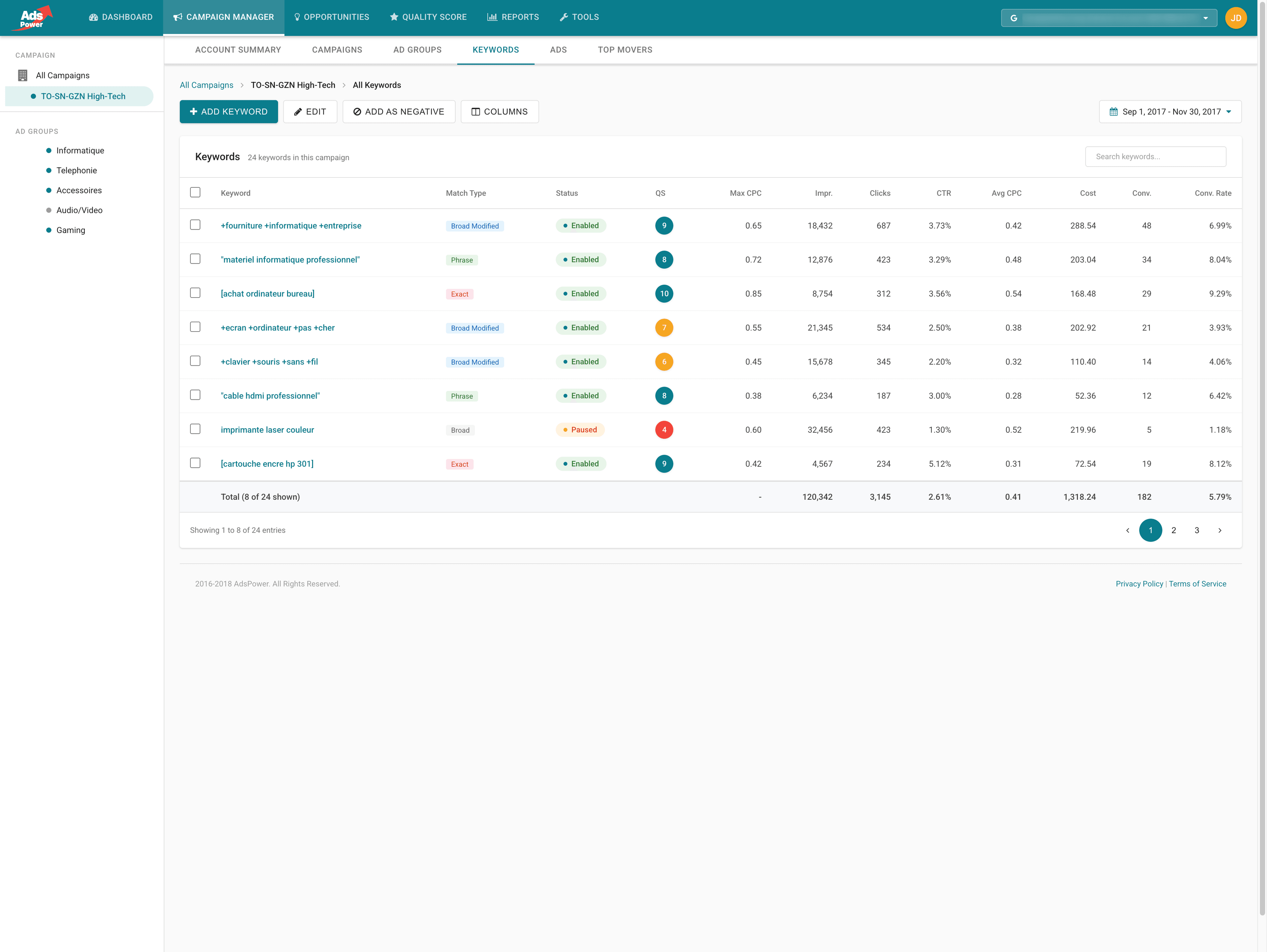



AI-Driven Optimization
Classify search intent and predict conversion probability per keyword via supervised classification models
Automated Bidding
Automatically optimize bids (1st page, top, 1st position) based on actual conversion rates
Negative Keyword Detection
Automatically identify and exclude keywords draining budget without conversion through semantic clustering
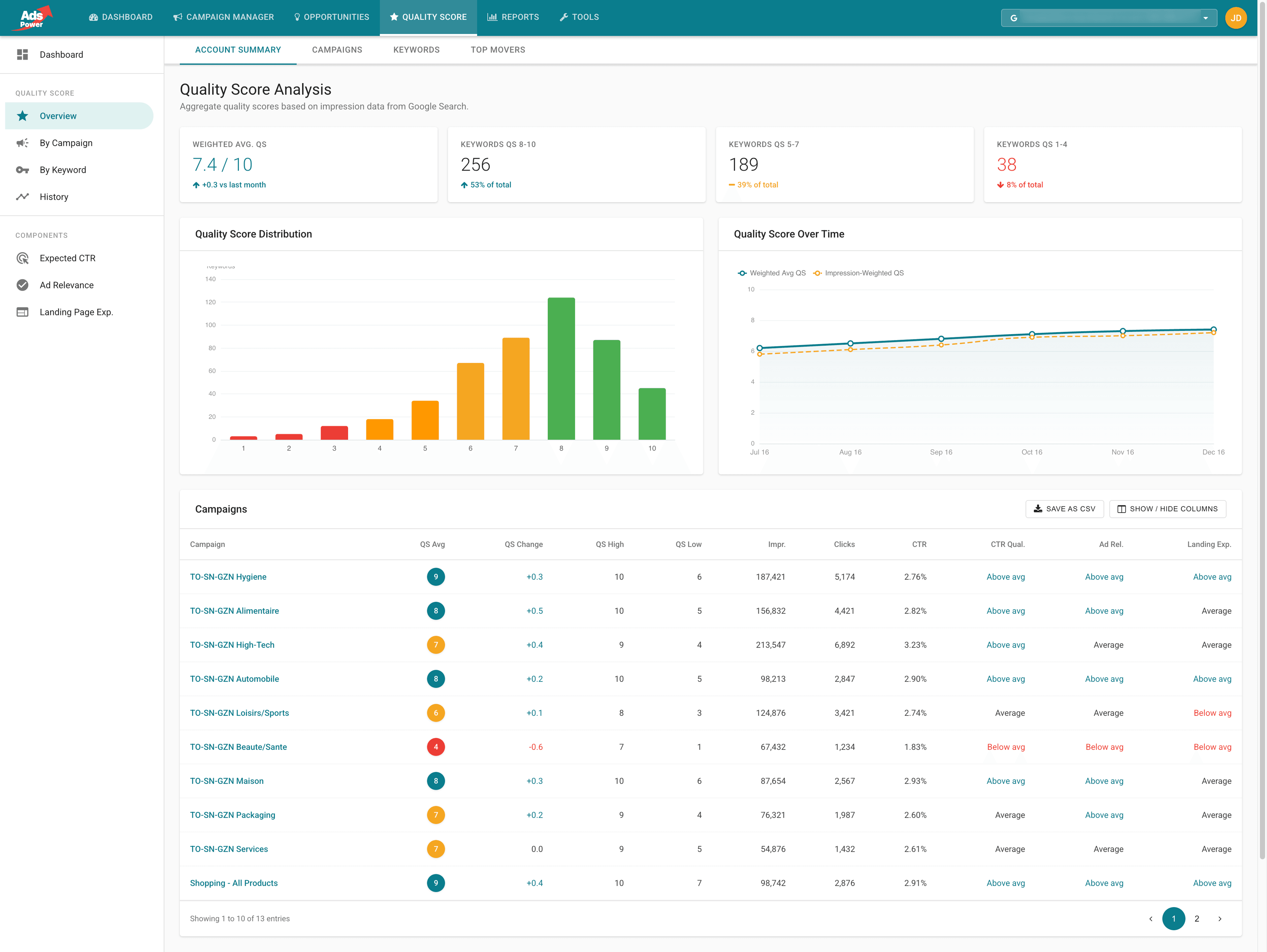
Quality Score
Predict and improve Quality Score via expected CTR analysis, ad relevance, and landing page experience
Machine Learning Pipeline
Technical Architecture
ML Techniques Implemented
- Supervised learning (gradient boosting, logistic regression, decision trees) trained on Azure ML Studio to predict Quality Score components
- NLP pipeline with NLTK: tokenization, stemming, stop word removal and TF-IDF vectorization of keywords and search queries
- k-means clustering applied to TF-IDF vectors to group keywords by search intent and detect negative keywords
- Audience segmentation via supervised classification on demographic data (age, gender) using Google Prediction API
- Multi-engine scraping (Google, Bing, Yahoo, Yandex, Baidu, DuckDuckGo) to collect competitive intelligence data
The problem: in Google AdWords, advertisers buy keywords in broad match. Google then triggers ads on search queries it considers similar, but which often have nothing to do with the campaign's commercial intent. An advertiser selling "professional IT supplies" could see their budget consumed by visitors searching for "free computer courses" - paid clicks that will never convert.
The ML solution: the system scraped Google search results (SERP) for each purchased keyword, analyzed the type of displayed results and extracted the thematic classification and search intent (transactional, informational, navigational). These signals were vectorized via TF-IDF and fed into a supervised classification model (gradient boosting on Azure ML).
The result: the model classified each query as relevant or irrelevant. Keywords identified as false positives were automatically suggested as negative keywords to be excluded.
This is just one example among the many optimization algorithms built into the platform.
Classification Flow
As Technical Project Manager and co-founder, I led the project from conception to delivery. Recruited and coordinated 4 freelance developers (ReactJS and Angular specialists) identified through GitHub search in the Bordeaux area.
Scrum Organization
5
People
18+
Code repos
3
Major versions
40+
Mockup pages
- Pioneering use of Azure Machine Learning for AI-powered ad optimization
- Led significant R&D efforts in artificial intelligence for ad campaign management
- Built a multi-platform application: web (Firebase), desktop (Electron for Mac/Win/Linux) and mobile (Cordova for iOS/Android)
- Designed and documented a complete data model covering Google AdWords, Bing Ads and Facebook Ads ecosystems
- 3 major backend versions in under a year, migration from Angular 4 to Angular 10
- Complete project documentation: requirements doc, 4 functional specs, technical specs, data model, market study
The project was ultimately abandoned due to lack of funding. The R&D cost was too high for a bootstrapped startup with no external financing. The product worked, the models produced real optimization recommendations, but without commercial traction the budget ran out.
- Technical excellence alone doesn't make a viable business. A good product without paying customers remains an R&D project.
- Timing matters as much as execution. The AI angle applied to advertising was ahead of its time in 2016 - making the project visionary but also harder to sell.
- Validate the market before building the product. Too much time invested in technical R&D and not enough in commercial validation with real paying customers.
- The ability to iterate fast is a lasting asset. 3 major versions in under a year - this rapid delivery discipline became a permanent reflex.
Skills applied
Technical and soft skills applied
Related journey
Professional experience linked to this achievement
Image gallery
Project screenshots and visuals