PSPO Certification (Professional Scrum Product Owner)
Scrum.org
The Professional Scrum Product Owner (PSPO) is an internationally recognized certification issued by Scrum.org. It validates mastery of the Product Owner role as defined in the Scrum Guide: maximizing product value by effectively managing the Product Backlog, collaborating with stakeholders, and guiding the development team toward business objectives. The training was delivered by ORSYS, a leading professional training organization in France.
 About ORSYS
ORSYS is a major player in professional training in France, founded in 1976. Specializing in IT, management, and personal development, ORSYS trains over 40,000 professionals each year. The organization offers certified training programs recognized by companies and eligible for professional development funding (CPF, OPCO).
1976
Founded
40 000+
Professionals/year
2 000+
Training courses
France
Headquarters
July 2021 marked a turning point in my career at Groupe Pichet. After two years as Technical Lead (2019 - 2021), I took on the Technical Project Manager role. This shift required a concrete evolution: moving from pure technical work to product and project management. The PSPO certification formalized and structured this transition. It gave me a methodological framework to manage complex backlogs, prioritize product decisions, and communicate effectively with business stakeholders.
First Agile certification, focused on product management at the Scrum team level. Formalized the transition to a hybrid technical/product role.
Multi-project backlog management at Pichet. The need to coordinate multiple technical teams on integration projects revealed the limits of Scrum alone.
Acquired the SAFe framework to structure product management at enterprise scale: PI Planning, value streams, Agile Release Trains.
Applied SAFe principles to align technical decisions with strategic objectives. Managed the project portfolio with a program-level vision.
The PSPO is part of a complementary certification trajectory covering product management at different scales.
July 2021
Product management at Scrum team level
December 2022
Product management at enterprise scale (SAFe)
View this certification- Set up a structured Product Backlog for the ESB platform (Enterprise Service Bus) integrating TIBCO, SAP, and business tools
- Led Sprint Reviews with business leadership (real estate, development, property management) to validate priorities
- Defined the product roadmap for Akeneo PIM and Bynder DAM, balancing technical debt against new features
- Transitioned project management from waterfall to Agile/Scrum approach on integration projects
- Facilitated Sprint Retrospectives to improve collaboration across distributed teams (Bordeaux, Paris, contractors)
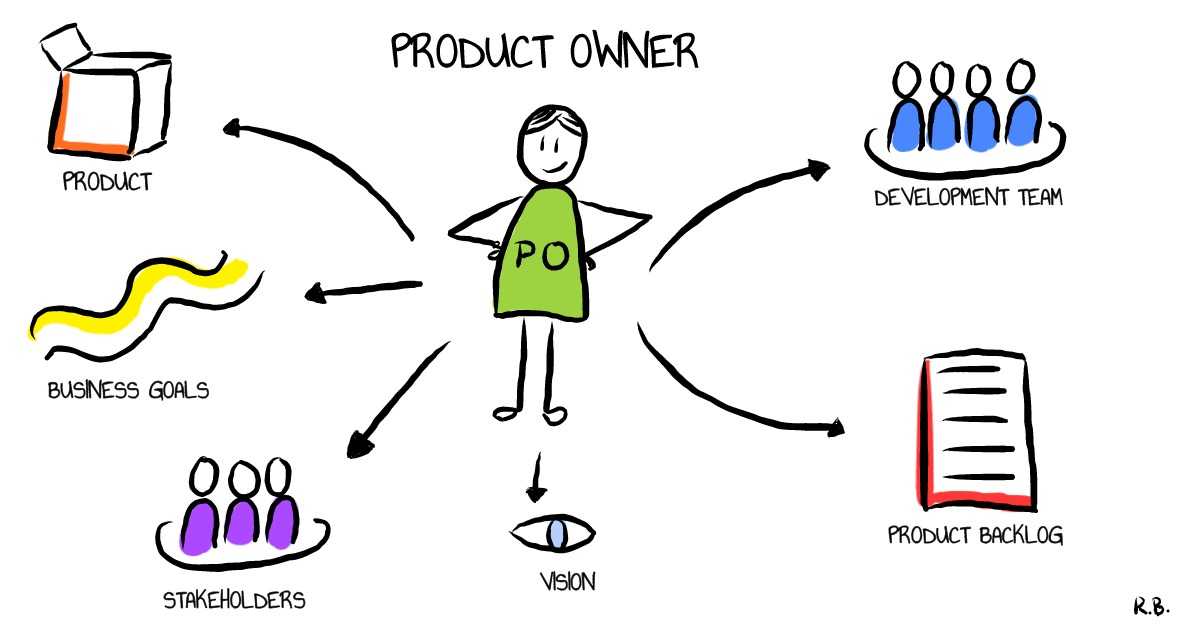
Product Backlog Management
Structure, prioritize, and refine a backlog to maximize the value delivered each sprint.
Stakeholder Engagement
Translate business needs into actionable user stories, facilitate exchanges between technical teams and business leadership.
Value-Driven Delivery
Prioritize features based on business impact, measure delivered value, and continuously adjust the roadmap.
Scrum Framework
Master Scrum events (Sprint Planning, Daily, Review, Retrospective) and artifacts (Product Backlog, Sprint Backlog, Increment).
Product Vision
Define and communicate a clear product vision aligned with the company's strategic objectives.

0 Technical Skill · 6 Soft Skill
Soft Skill
Drive projects using Agile/Scrum frameworks: sprint planning, backlog management, Scrum ceremonies, and tracking incremental value delivery.
Identify, engage, and align business and technical stakeholders around a shared product vision. Translate business needs into actionable user stories.
Guide development teams toward product goals, facilitate collaboration, and create an environment that drives collective performance.
Communicate effectively between technical teams and business leadership. Lead Sprint Reviews, facilitate exchanges, and synthesize product decisions.
Prioritize backlog items based on business impact, analyze trade-offs between technical debt and new features, make informed product decisions.
Adapt to shifting context and priorities. Transition from a purely technical role to product management by integrating new methodological frameworks.