BTS IG (IT Management), Specialization: ARLE (Enterprise Local Network Administrator)
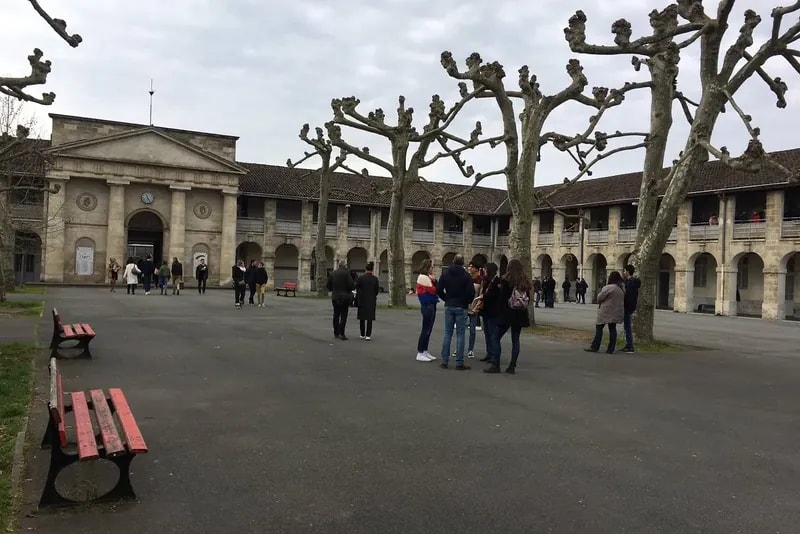
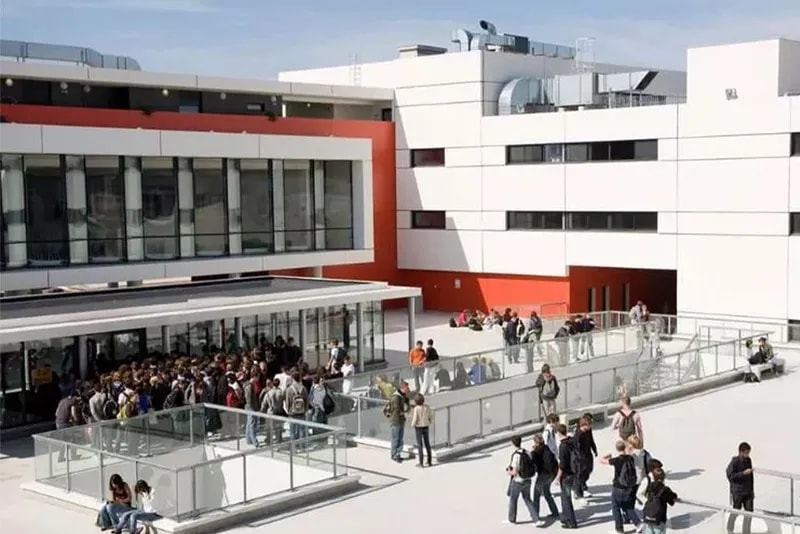
Lycee Gustave Eiffel
Original Name
BTS IG - Informatique de Gestion
Option ARLE - Administrateur de Réseaux Locaux d'Entreprise
Current Name
BTS SIO - Services Informatiques aux Organisations
Option SISR - Solutions d'Infrastructure, Systèmes et Réseaux
In 2011, the French Ministry of Education replaced the BTS IG with the BTS SIO to better reflect the evolution of IT professions toward a service-oriented model. The former ARLE option (Enterprise Local Network Administrator) became SISR (Infrastructure, Systems and Network Solutions), integrating modern concepts such as cloud computing, virtualization, and cybersecurity.

Lycée Gustave Eiffel is a prestigious public institution located in the heart of Bordeaux, renowned for its excellence in scientific, technological, and IT education. Originally founded as a center for technical and industrial training, the school has successfully evolved into a nationally recognized hub of digital excellence. Its BTS SIO (formerly BTS IG) program consistently ranks among the best in France - 11th nationally according to Thotis (2026) and 23rd according to Ingetis (2024) - positioning it firmly in the Top 25. The school combines rigorous academic standards with practical, industry-oriented training. With a Social Position Index (IPS) of 123.70, well above the national average, and a highly selective admission process (18% acceptance rate on Parcoursup with over 1,400 applications), Lycée Gustave Eiffel provides an environment of academic excellence that prepares students for both immediate career entry and advanced studies in computer science and engineering.
Visit Institution WebsiteThe BTS IG/SIO program at Lycée Gustave Eiffel emphasizes a balanced approach between theoretical foundations and intensive hands-on practice. Students develop operational skills through real-world enterprise scenarios: managing server infrastructure, configuring network equipment, and administering heterogeneous IT environments. The ARLE/SISR specialization trains technicians capable of designing, deploying, and maintaining the complete IT infrastructure of an organization - from physical network cabling to virtualized cloud services. A mandatory 10-12 week internship in a professional environment ensures direct immersion, with students applying their skills in real enterprise IT departments.
Block 1 - Support and Provision of IT Services (Common Core)
IT Asset Management
- Inventorying and identifying digital resources
- IT asset management tools (GLPI, OCS Inventory)
- Backup and restore procedures
- Compliance verification against usage policies
- License and software management
- Hardware lifecycle management
User Support and Incident Resolution
- Ticketing tools and incident tracking
- Information collection and diagnostics
- Fault source identification (network, system, application)
- Remote support and intervention
- Incident escalation procedures
- User satisfaction management
Workplace Setup and Service Deployment
- Operating system installation and configuration
- Office software and business application deployment
- Network connectivity configuration
- Printer and peripheral management
- Mobile device management
- Automated deployment (imaging, scripting)
Project Participation and Web Presence
- Project management tools (Kanban, Gantt)
- Task planning and progress tracking
- Institutional website management
- Digital identity and professional online presence
- Technical and user documentation
- Performance indicators tracking
Block 2 - Infrastructure, Systems and Network Solutions (SISR / ex-ARLE)
Network Administration
- Switch configuration (VLAN, link aggregation)
- Router configuration and IP routing
- Secure wireless access point deployment
- DNS and DHCP service administration
- Network segmentation and subnetting
- Network performance analysis and troubleshooting
System Administration
- Windows Server installation and configuration
- Linux administration (Debian, CentOS) via CLI
- Active Directory and group policy management
- OpenLDAP directory services
- File sharing services (SMB, NFS)
- Print services and server roles management
Virtualization and Cloud Computing
- Hypervisor configuration (VMware ESXi, Hyper-V, Proxmox)
- Virtual machine creation and management
- Resource optimization and allocation
- Cloud computing fundamentals (IaaS, PaaS, SaaS)
- Hybrid infrastructure administration
- Container introduction (Docker basics)
Network Supervision and Monitoring
- Monitoring tools deployment (Nagios, Zabbix)
- Metrics collection and analysis
- Alert configuration and escalation
- Network performance dashboards
- Log management and analysis
- Service Level Agreement (SLA) monitoring
Scripting and Automation
- PowerShell scripting for Windows administration
- Bash scripting for Linux administration
- Python scripting for automation tasks
- Automated user provisioning
- Scheduled task management
- Configuration management basics
Block 3 - Cybersecurity of IT Services
Cybersecurity Fundamentals
- Threat landscape (malware, ransomware, social engineering)
- Personal data protection and digital identity
- User awareness and security training
- Endpoint and mobile device security
- Cryptography basics (symmetric, asymmetric, hashing)
- Security incident response procedures
Infrastructure Security (SISR Specialization)
- Firewall configuration and management
- Intrusion Detection and Prevention Systems (IDS/IPS)
- Wi-Fi network security (WPA3, 802.1X)
- VPN implementation and management
- Server vulnerability auditing
- Security hardening best practices
Data Protection and GDPR Compliance
- GDPR fundamental principles
- Personal data processing legal bases
- Data subject rights
- Data Protection Impact Assessment (DPIA)
- Breach notification procedures
- Organizational compliance framework
Block 4 - Transversal Training
General Culture and Expression
- Written and oral communication
- Synthesis
- Professional argumentation
English for IT
- Technical documentation reading
- Professional oral communication
- International standards
Mathematics for IT
- Binary/hexadecimal arithmetic
- Boolean logic
- Graph theory
- Probability and statistics
Economic, Legal and Managerial Culture (CEJM)
- Employment law
- Intellectual property
- GDPR
- Management structures
- Digital economy
Applied CEJM
- IT-specific legal and economic case studies
- Outsourcing contracts
- SLA frameworks
Professional Portfolio (E4 Exam)
- Compilation of professional achievements
- Oral defense before a jury
Professional Internship (10-12 weeks)
- Immersion in enterprise IT departments
- Two academic years of practical experience
Professionalization Workshops
- Project-based collaborative work
- Real enterprise IT scenario simulation
| Position / Function | Organization | Period | Duration |
|---|---|---|---|
| 2nd Year BTS IG Internship | NOVENCI - 33700 Merignac | 12/02/2002 - 12/31/200202/03/2003 - 02/25/2003 | 280 h |
| 1st Year BTS IG Internship | PENTASONIC PENTA 33 - 33700 Merignac | 11/26/2001 - 12/23/2001 | 140 h |
2nd Year BTS IG Internship
Installation and configuration of Windows 2000 servers at client sites, and support for senior engineers throughout the full second year of BTS IG, including the final examination.
1st Year BTS IG Internship
Installation and configuration of Windows 2000 Server networks, enterprise data storage and security + full first year of BTS IG.
National rankings of BTS SIO programs in France (2024-2026)
| Rank | Specialty |
|---|---|
| 11 th | BTS SIO - Overall National Ranking |
| 23 rd | BTS SIO - Composite Performance Score |
9 Technical Skill · 5 Soft Skill
Technical Skill
Install, configure, and administer Windows Server and Linux (Debian, CentOS) environments, including Active Directory, OpenLDAP, and group policy management.
Design, deploy, and maintain local and wide area networks including switches (VLAN, link aggregation), routers, secure wireless access points, and DNS/DHCP services.
Implement firewalls, intrusion detection/prevention systems (IDS/IPS), secure Wi-Fi configurations, and conduct vulnerability audits on servers and networks.
Develop scripts in Batch DOS, VBScript, and Bash to automate repetitive administrative tasks such as user provisioning and log analysis.
Manage relational databases (MySQL, Microsoft Access, SQL Server), execute SQL queries, and ensure data integrity and backup procedures.
Diagnose and resolve hardware, software, and network incidents using ticketing tools (GLPI), remote support, and structured escalation procedures.
Inventory and maintain hardware, software, and licenses using tools like GLPI and OCS Inventory, ensuring compliance with organizational policies.
Deploy and configure monitoring tools (Nagios, Zabbix) to oversee infrastructure health, set alerts, and ensure service continuity.
Implement backup, restore, and disaster recovery procedures to guarantee IT service availability and business continuity.
Soft Skill
Work collaboratively using project management tools (MS Project, Gantt charts) and version control systems (CVS) within IT teams.
Produce clear, structured documentation for IT procedures, network configurations, system architectures, and troubleshooting guides.
Communicate effectively with non-technical users, translating complex IT concepts into accessible language and providing quality end-user support.
Continuously monitor emerging technologies, security threats, and industry standards to maintain up-to-date technical knowledge.
Understand and apply the French Data Protection Act (Loi Informatique et Libertes, CNIL), software intellectual property law, and IT security policies in effect during the BTS IG era.