
Pedagogy & Communication & Collaboration
Run team rituals (monthly 1:1s, sprint reviews, blameless post-mortems), document to transmit (RFCs, versioned ADRs, runbooks, playbooks), train ACCENSEO apprentices from zero to fully autonomous in 3 months. Five years coordinating cross-functional teams at Pichet, CEO/CTO ACCENSEO since June 2024.
My definition
Communication and collaboration, in my own definition, cover 4 distinct registers I alternate every day. Synchronous: 1:1s, bi-weekly COPIL, incident war rooms. Asynchronous: RFCs, versioned ADRs, Confluence documentation, written memos right after the meeting. Customer-facing: advisory, contract negotiation, structured restitution of technical trade-offs in business language. International: operational English (TOEIC 950), mixed teams of internal staff plus contractors from three different companies. The thread from MC Vendeur Multimedia (in-store customer advisory) to CTO Founder (board-level conversation) is the same: meet the audience where they are, and write down the decision so it survives the meeting.
I rely on 3 structuring rituals. Weekly COPIL/board update: a simple dashboard (progress, budget, risks, milestones) readable in under 5 minutes. Daily team sync: short standup, with an asynchronous Confluence channel for context. Customer-facing commercial contact: user interviews before each major evolution, paper prototypes validated before code. Editorial output: 19 portfolio references across these registers (DAM 1,400 users, ESB 80 daily interlocutors, PSR multi-partner API spec cycle).
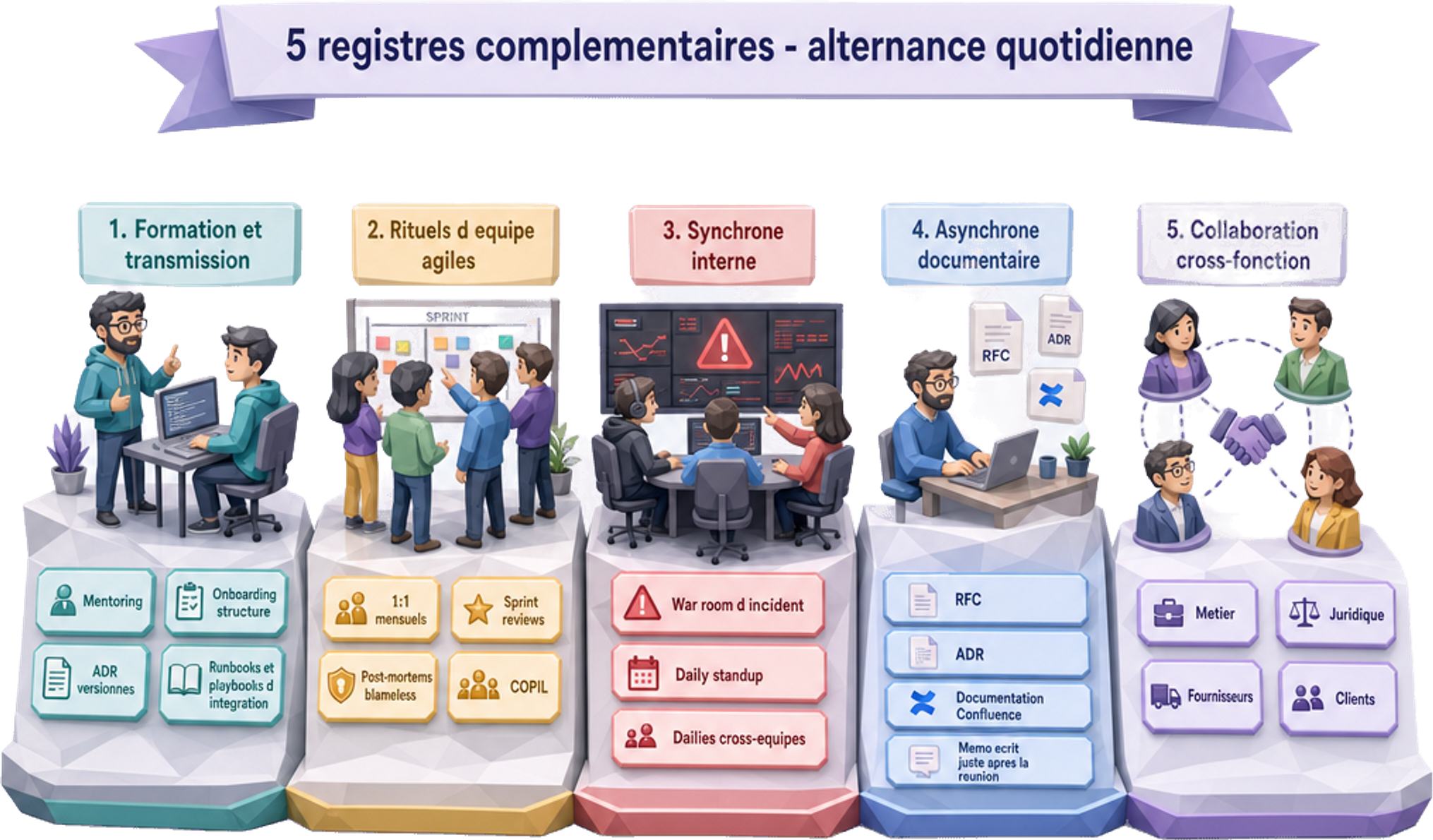
In 2026, the communication load has been redistributed by distributed teams, AI-augmented work, and multi-vendor SaaS ecosystems. Collaboration tools now embed AI agents that summarise threads, surface past decision context, and orchestrate next steps across time zones without requiring a live meeting, a pattern Atlassian describes in AI takes a seat on the team. The manager who cannot write for humans and agents at the same time loses half of their team's bandwidth.
My evidence
Anecdote 1 : War room on a major Pichet ESB incident
One peak day, a cascade of failures hit the ESB integration flows - payments, real-estate syndication, CRM updates - all at once. The 5 business directions depended on those flows, and the incident threatened to block accounting entries, sales leads, and partner-portal listings simultaneously. On the communication side, I needed the business to understand what was going on without dragging the engineers into political back-and-forth.
I opened a synchronous virtual war room with 2 distinct channels: a technical channel for the on-call team, and a business channel for the department heads. I broadcast hourly executive summaries to the COPIL and the impacted directions, in plain language, no jargon - just the state of each flow, the estimated time to recovery, and what each direction had to do in the meantime. As soon as the situation stabilised, I ran a blameless post-mortem with the team and our Square IT and RS2I partners, with a written report published on Confluence within 24 hours.
The root cause was identified and fixed in 3 hours, and the post-mortem framework I shipped that day was adopted as the department standard for every subsequent critical incident.
Over the following 12 months, the MTTR on the ESB platform was halved, and the trust the 5 business directions placed in the integration team was durably rebuilt - they came back to me to scope 3 follow-up cross-functional initiatives that would never have shipped without that relational capital.
Anecdote 2 : Coordinating the DAM rollout to 1,400 users
The November 2020 DAM Bynder go-live meant orchestrating in parallel the Communications Direction, Marketing, IT, legal, the vendors (Bynder, Activo Consulting, CI HUB), and the 1,400 future users spread across 8 Groupe Pichet entities (development, leasing, hospitality, student housing, marketing, communication, IT, executive office). Each spoke a different language: legal was thinking in contract clauses, business in daily usage, IT in infrastructure and SSO.
I ran 17 weekly onboarding sessions with the Bynder vendor across summer 2020 to carry the Pichet requirement to the editor without exposing the business to those calls. In parallel, I built a transparent monthly reporting to the COPIL with one simple dashboard: progress, budget, risks, milestones. For change management, I produced persona-tailored training materials (sales teams, communications teams, external partner agencies), because no 2 audiences consume a platform the same way. With Louise R. on the legal side, I led the full markup of the 3 Bynder contractual documents to lock SLA and reversibility down.
Go-live on the planned date, strong adoption within the first weeks, zero legal escalation, and the executive satisfaction (Benoit P. as CEO, Remi E. as Director) explicitly formalised post-launch.
The trust capital built on this project later let me run 3 additional cross-functional initiatives within the group without going through another evangelisation phase. The lesson: on a 1,400-user rollout, the quality of written communication and the regularity of reporting matter more than the technical brilliance of the deliverable.
Anecdote 3 : Holding the single point of contact role on the PSR platform
For 3 years I steered the Pichet PSR platform (partner leads ingestion) at the intersection of marketing, IT and a dozen external partners (SeLoger, Myopla, Cooper Advertising, Akrivia Leads, Visibilitie, Clovis, Fine Media, Votre Appartement Neuf...). Each partner had its own format, its own protocol, its own people - and every lost lead represented potentially tens of thousands of euros in missed real-estate revenue. Internally I had to coordinate Franck C. (my manager), Cyril M. (Marketing IT), Emilie D. (external contractor), and the CRM operations team.
I positioned myself as the single technical point of contact for every partner integration. I documented the API across 5 consecutive versions, wrote a complete partner integration playbook on Confluence, and personally trained each external partner team on the specs, authentication, and test procedures. For every new integration I ran a short cycle - spec, tests, business validation, go-live - with a clear responsibility matrix between the partner team, Marketing IT, and the CRM cell.
Partner onboarding lead time dropped from several weeks to a few days, zero major lead-loss incident across 3 years, and the 2023 security audit passed without any major non-conformity despite the proliferation of APIM credentials.
That single-point-of-responsibility posture has become my default operating mode at ACCENSEO: on every customer engagement I am the single technical point of contact end-to-end, because that is what turns individual expertise into durable commercial trust.
My self-critique
Level Senior, with 4 registers practised every day (synchronous internal, asynchronous documentary, customer commercial, international English) and 2 operational languages. native French and operational English used for API specs and contract negotiation. Production credit: 19 portfolio references, including coordination of 1,400 users (DAM Bynder) and animation of ~80 daily interlocutors (Pichet ESB). What still needs strengthening: board pitch in English under heavy pressure and TEDx-style public technical speaking.
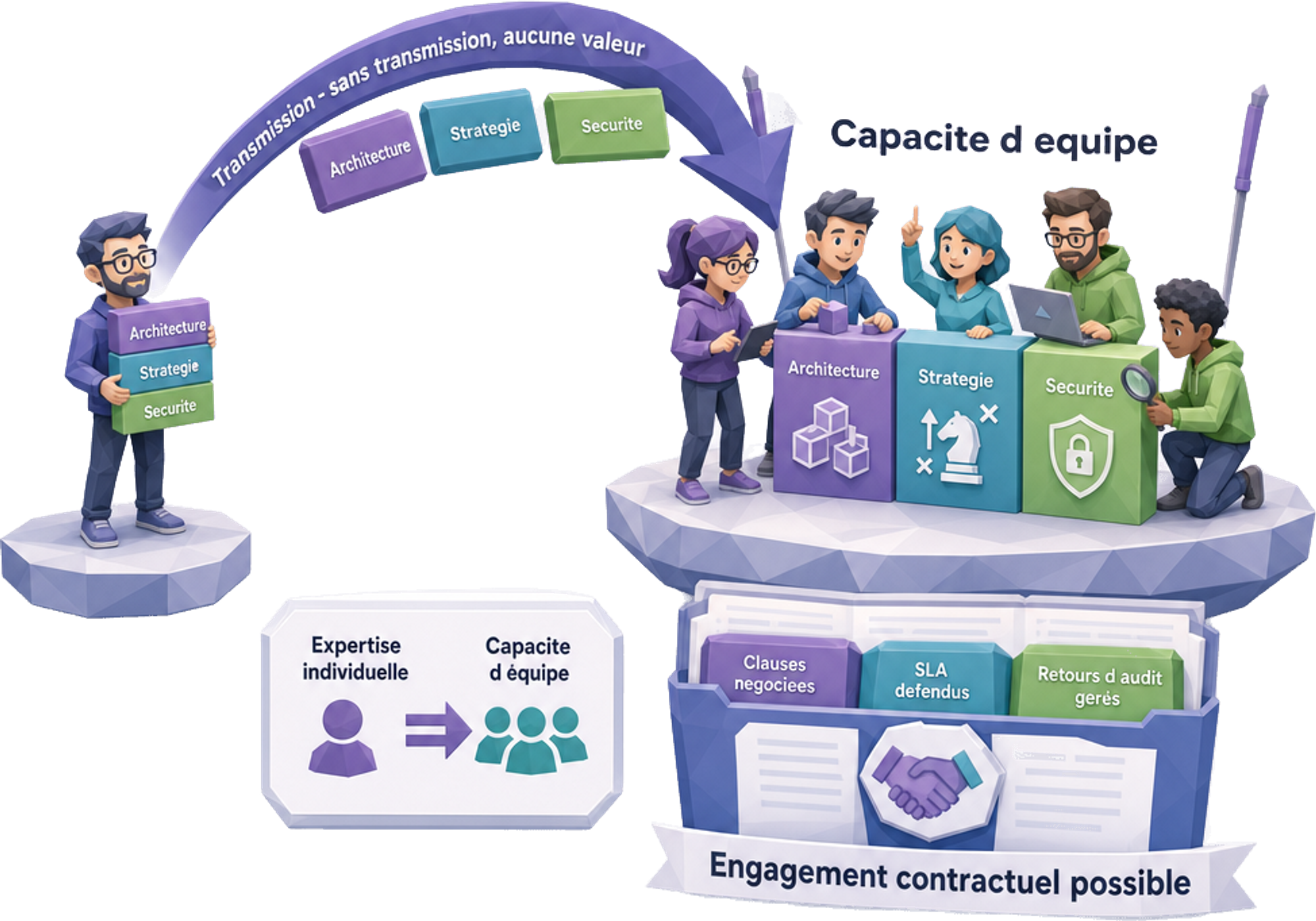
Force multiplier on every other pillar. The best architecture, strategy, or security decision has zero value if it is not transmitted - that is what turns individual expertise into team capacity (cf. my posture on the about page) and makes contractual commitment possible (negotiated clauses, defended SLAs, audit responses).
Key milestones along the journey: CTO · Founder · technical director (1999) → Engineering Manager · Project Manager / Product Owner · Technical Lead (2019) → SAFe 5 Certification (Product Manager & Product Owner) (2022) → CTO · Founder · technical director (2024). Now at 4/5 (Advanced). The continuity of these contexts signals a robust acquisition, battle-tested by repetition and diversity.
My core hygiene rule: always write the decision the moment the meeting ends. Verbal alignment evaporates in 48 hours, the written record stays.
To others: prefer a short memo to a long deck, structure every written piece around the three questions for whom, why, what do I expect back. Treat asynchronous communication as an engineering discipline, review, proofreading, defined vocabulary.
My evolution in this skill
Communication is what makes my CTO scale-up role viable. Without it, I cannot align board, teams, customers and partners. In the 24-month plan, it lets me run a complete board to team to customer cycle staying legible across all 3 layers, and defend a tech budget or roadmap in front of an English-speaking investor board.
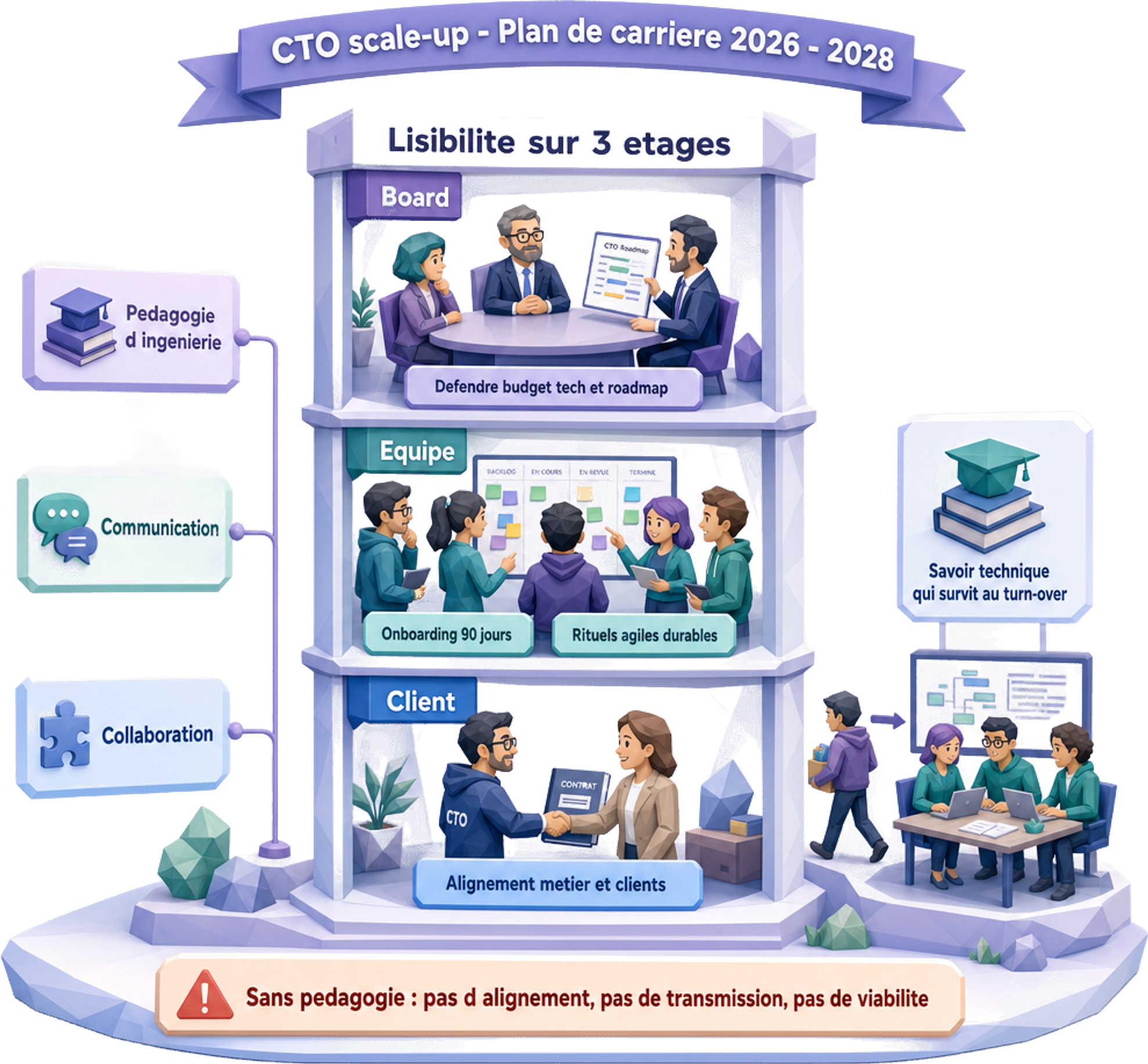
By end of 2027, the observable goal is twofold: pitch a tech strategy in 5 minutes in front of an international board without a deck, and chair a panel or keynote in front of 200+ peers. The Senior-to-Senior+ shift is measured on these two deliverables - public English speaking is the main effort axis.
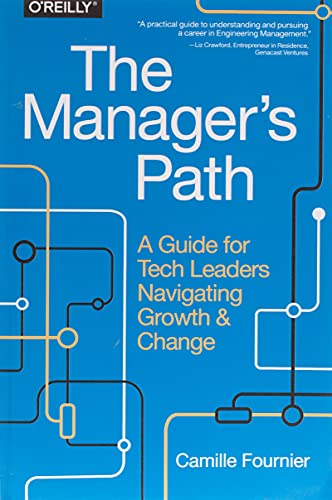
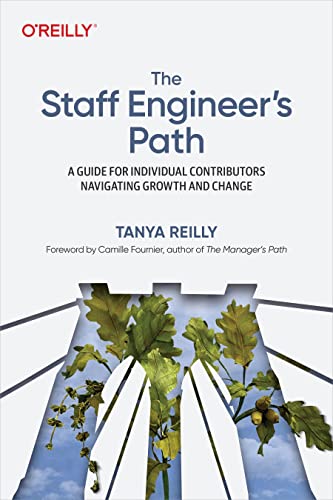
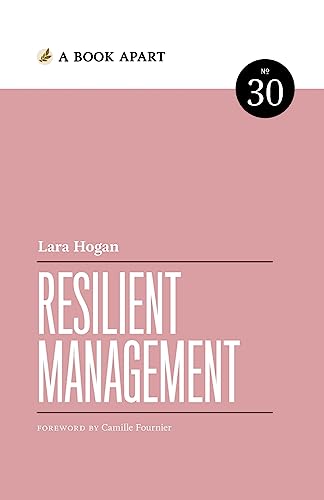
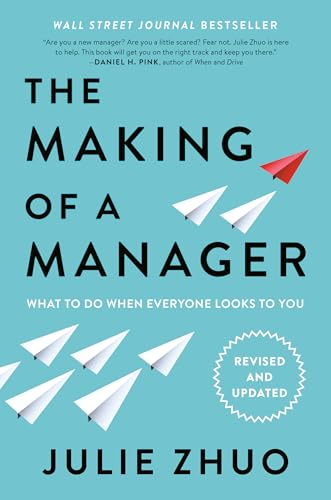
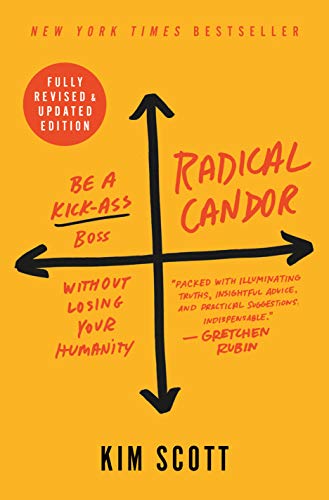
Daily mentoring practice on the ACCENSEO team (1 salaried project manager and 2 work-study developers), facilitating Scrum-hybrid Shape Up rituals tuned to the team calendar, daily editorial OSS output (commits, READMEs, issues on GitHub). Continuous reading on engineering pedagogy: Camille Fournier (The Manager's Path), Will Larson (An Elegant Puzzle, Staff Engineer's Path), Lara Hogan (Resilient Management), Julie Zhuo (The Making of a Manager), Kim Scott (Radical Candor), Sarah Drasner (Engineering Management for the Rest of Us). Monthly executive coaching focused on public speaking.

TED-style public speaking program (Toastmasters intensive or equivalent) planned 2026, executive storytelling workshop (Duarte / Stanford GSB) targeted 2027. Possible advanced business English program if the target role is English by default.
My daily benchmarks
Daily editorial production: OSS (commits, READMEs, issues) and technical writing (internal notes, RFCs, ADRs). Monthly reading of Patrick Winston How to Speak, Nancy Duarte Resonate. Quarterly re-listening of Werner Vogels and Charity Majors keynotes as a benchmark. Writing journal kept to measure cadence.